

As Kenya accelerates its journey toward Universal Health Coverage and solidifies its position as a regional hub for medical tourism in East Africa, the demand for sophisticated industrial solutions has surged. Among these, the Ethylene Oxide (ETO) Sterilizer has emerged as a cornerstone of modern medical infrastructure.
With the Kenyan government significantly increasing budgets for high-dependency and intensive care units, the focus on specialized sterilization has moved from a luxury to a critical necessity. This article explores the growing landscape of ETO sterilization in Kenya and why it is the “gold standard” for the nation’s burgeoning healthcare and manufacturing sectors.
Growing Demand for Ethylene Oxide Sterilizers in Kenya’s Healthcare Sector
The Kenyan healthcare landscape is undergoing a massive transformation. With the expansion of Level 4 to Level 6 referral hospitals, the volume of surgical procedures is at an all-time high. This expansion has directly fueled the growing demand for Ethylene Oxide sterilizers in Kenya’s healthcare sector.
Traditional autoclaves, while effective for stainless steel, cannot handle the diversity of modern medical equipment. As Kenyan hospitals invest in advanced oncology, cardiology, and orthopedic care, they require a sterilization method that is compatible with high-tech, multi-material devices. ETO sterilization offers a versatile solution that eliminates bacteria, viruses, and fungi without compromising the integrity of the equipment.
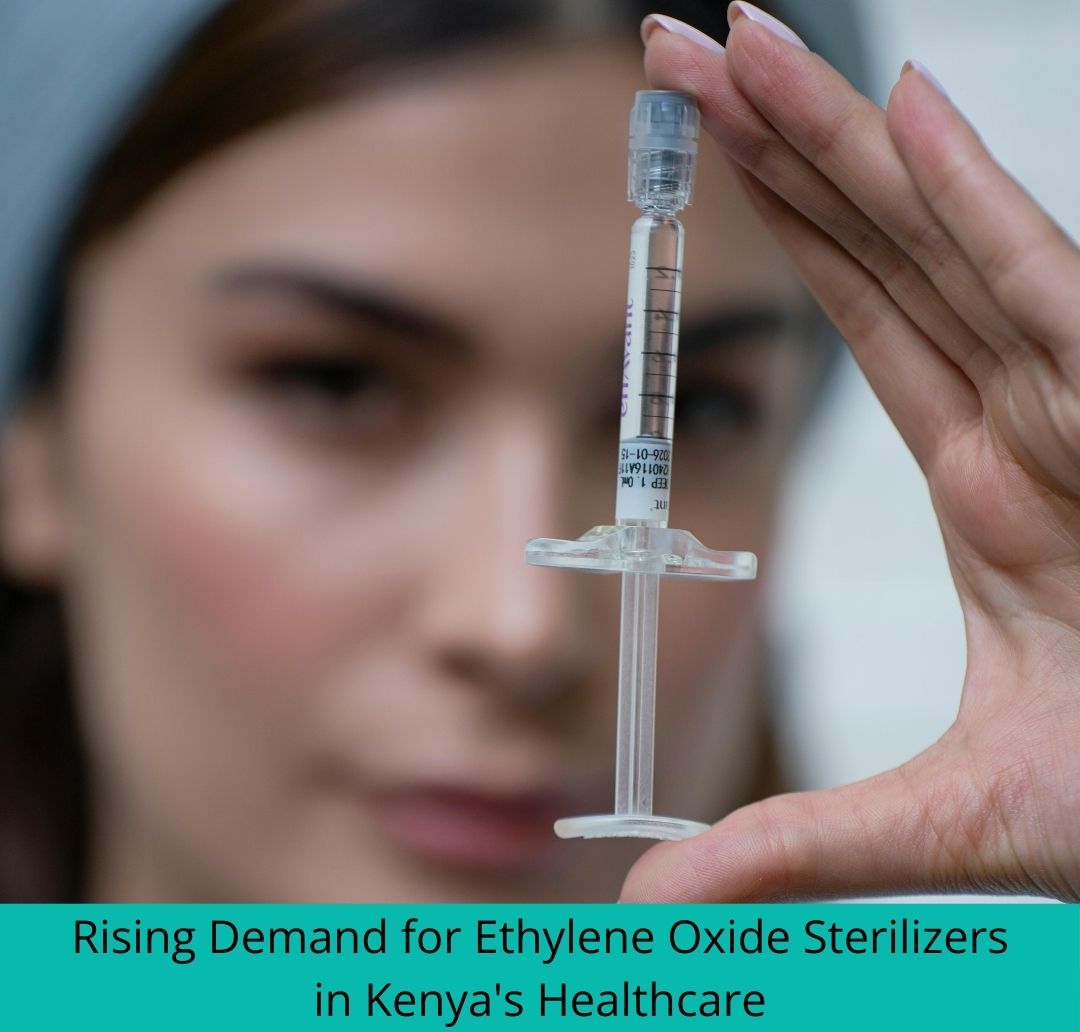
Role of ETO Sterilization in Improving Infection Control in Kenyan Hospitals
Healthcare-Associated Infections (HAIs) remain a significant challenge in African medical facilities. Recent studies in Kenyan hospital environments have shown that bacterial loads on high-touch surfaces can often exceed acceptable safety limits. The role of ETO sterilization in improving infection control in Kenyan hospitals is pivotal in reversing this trend.
Unlike liquid disinfectants, ETO is a gas that penetrates deep into complex instruments—such as long-lumen catheters and multi-component surgical kits. By ensuring 100 percent microbial lethality, ETO sterilizers provide a “Sterility Assurance Level” that protects patients from antibiotic-resistant bacteria, which is a rising concern in Nairobi and other major urban centers.
Why ETO Sterilization Is Ideal for Heat-Sensitive Medical Devices in Kenya
One of the primary drivers for this technology is material compatibility. Modern medical technology relies heavily on polymers, plastics, and electronics.
- Low-Temperature Operation: Operating at lower temperatures compared to steam, ETO does not warp or melt delicate plastics.
- Deep Penetration: The gas can permeate breathable packaging, allowing for the sterilization of pre-packaged kits.
- Versatility: It is the only viable method for sterilizing fiberoptic endoscopes, pacemakers, heart valves, and ventilators—tools that would be destroyed by the high heat and moisture of a steam autoclave.
For Kenyan private facilities like the Aga Khan University Hospital or Nairobi Hospital, which utilize high-end laparoscopy towers and diagnostic imaging tools, ETO is the only way to safeguard their multimillion-shilling investments.

Medical Device Sterilization Challenges Faced by Kenyan Healthcare Facilities
Despite the clear benefits, the transition to advanced sterilization is not without hurdles. The medical device sterilization challenges faced by Kenyan healthcare facilities include:
- Infrastructure Gaps: ETO requires specialized rooms with proper aeration and gas-monitoring systems to ensure the safety of hospital staff.
- Supply Chain Reliance: Kenya currently relies heavily on imports for medical consumables. Inadequate local sterilization capacity means many hospitals are forced to use expensive single-use items or risk improper reprocessing of reusable tools.
- Technical Expertise: Operating an ETO plant requires specialized training. While Kenya has a highly skilled medical workforce, there is an urgent need for more certified biomedical engineers focused on sterilization validation.
 WhatsApp Us
Importance of Advanced Sterilization Technologies in Kenya’s Healthcare Growth
As Kenya markets itself as a premier destination for medical tourism, attracting patients from across the continent for procedures like joint replacements and fertility treatments, the quality of care must meet international benchmarks.
The importance of advanced sterilization technologies in Kenya’s healthcare growth cannot be overstated. By investing in ETO infrastructure, Kenya can:
- Reduce Reliance on Imports: Local manufacturers can produce and sterilize syringes, catheters, and surgical gowns within the country, boosting the “Buy Kenya, Build Kenya” initiative.
- Ensure Patient Safety: High-quality sterilization reduces post-operative complications, lowering the overall cost of healthcare for the government and families.
- Boost Medical Tourism: International accreditation depends on rigorous infection control protocols. Advanced ETO systems provide the data logs and validation required for global certifications.
Read Our Article
ETO Sterilization Innovation & Future TrendsConclusion: A Sterile Path to 2030
As Kenya marches toward its Vision 2030 goals, the integration of Ethylene Oxide Sterilizers will define the quality of its healthcare system. By addressing the sterilization challenges today, Kenya is not just buying a machine; it is investing in a safer, more self-reliant, and medically advanced future.