

Selecting the correct EO sterilizer capacity is one of the most critical decisions a healthcare facility, medical device manufacturer or laboratory makes before investing in sterilization equipment. An undersized ETO sterilizer creates workflow bottlenecks, delays procedures and forces repeated batch cycles that inflate operational costs. An oversized chamber wastes ethylene oxide gas, energy and space. This guide walks through the key factors for calculating the right ETO sterilizer chamber size and explains how the product range from Sterility Equipment India Private Limited matches every sterilization need – from compact hospital sterilizers to heavy-duty EO sterilizer machines.
ETO Sterilizer Chamber Size: Why Getting It Right Matters
Ethylene oxide sterilization works by exposing packaged instruments and medical devices to EO gas under controlled conditions of temperature, humidity and pressure within a sealed chamber. Because the gas must uniformly penetrate every item in the load, the spatial relationship between the product volume and the chamber volume directly affects sterilization effectiveness.
A chamber loaded below 60-70% of its usable volume wastes EO gas per batch and extends the aeration phase unnecessarily. A chamber loaded beyond its rated capacity prevents adequate gas circulation, leading to uneven sterilization – a compliance and patient safety risk. Matching ETO sterilizer chamber size to actual load volume is, therefore, both a performance and a regulatory issue.
EO Sterilizer Capacity: Key Variables to Calculate Before You Choose
Before comparing sterilization machine models, facilities need to gather data across four dimensions:
Daily Load Volume
Calculate the total cubic volume of instruments and devices requiring sterilization in a standard working day. Measure the outer dimensions of each packaged item in cubic centimetres, multiply by the quantity processed per day and add 30% as a buffer for peak-demand days, seasonal surges or load variations. This number represents the minimum daily EO sterilizer capacity required at 100% chamber utilisation.
Number of Batches per Day
Ethylene oxide sterilization cycles are longer than steam or dry heat cycles. A complete cycle – including pre-conditioning, gas dwell phase and aeration – typically ranges from several hours to over a day depending on the product type and chamber model. Most hospitals and surgical centres can realistically complete one or two full cycles in a working shift. Dividing the total daily load volume by the number of feasible batches gives the minimum chamber size per cycle.
Type of Items Being Sterilized
Sterilization machines for hospitals are commonly used for single-use medical devices, surgical threads, procedure kits orthopedic implants, fine surgical instruments, endoscopes, electronic components and plastic products used in medical and surgical procedures. Industrial ETO sterilizer machines also handle PPE kits, tissue banks, herbal and spice processing and laboratory equipment. Long or irregularly shaped items such as surgical trays and endoscopes require taller or longer chambers, which affects size selection beyond simple volume calculations.
Facility Space and Infrastructure
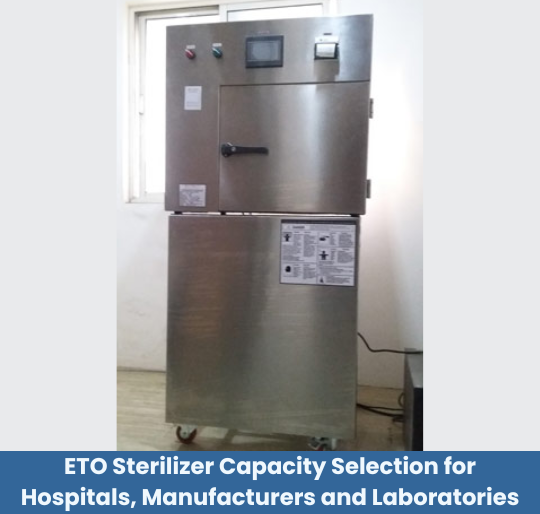
The physical footprint of the ETO sterilization machine must fit within the designated sterile processing area, with adequate clearance for door operation, exhaust ducting and aeration. Larger industrial EO sterilizer models may require structural floor reinforcement and dedicated utility connections.
Hospital Sterilizer Sizing: Matching Facility Type to the Right ETO Sterilizer Model
Different facilities have different sterilization throughput profiles. The following outlines how to match facility category to the appropriate ETO sterilizer chamber size:
Small Clinics, Day Care Centres and Private Surgeons
For private surgeons, ENT clinics, eye specialists, gynaecology care units and day care centres that process small volumes of delicate or heat-sensitive instruments daily, a compact hospital sterilizer with a chamber capacity of 100 to 150 litres is typically sufficient. These facilities need reliable, automated operation without requiring a dedicated sterilization technician.
Mid-Volume Hospitals, Nursing Homes and Medical Colleges
General surgery centres, cardiothoracic surgeon facilities, neuro surgery departments, gastroenterology units and nursing homes with active operating theatres typically require sterilizer equipment with a chamber capacity between 245 and 450 litres. These facilities process a mix of packaged devices, implants and reusable instruments across multiple departments daily.
Industrial EO Sterilizer Selection for Manufacturers and Labs
Medical device manufacturers, tissue banks, pharmaceutical laboratories, research centres and PPE kit producers require industrial EO sterilizer machines with chamber volumes ranging from 1.27 CBM (45 CFT) to 20.38 CBM (720 CFT) or higher. Industrial ETO sterilizer selection at this scale is driven by batch size, production throughput targets, EO gas consumption per cycle and regulatory validation requirements including ISO 11135 compliance.
Our Other Product
Table Top ETO SterilizerETO Sterilizer Chamber Size Selection: Understanding the CBM and CFT Models
The industrial ETO sterilizer range from Sterility Equipment India Private Limited provides a structured progression of chamber sizes, allowing procurement teams and facility engineers to select capacity based on the CBM (cubic metre) or CFT (cubic feet) volume that matches their load calculations. The available industrial models span the following chamber capacities:
- EO45CFT – 1.27 CBM (3 x 3 x 5 feet)
- EO96CFT – 2.71 CBM (4 x 4 x 6 feet)
- EO128CFT – 3.62 CBM (4 x 4 x 8 feet)
- EO200CFT – 5.66 CBM (5 x 4 x 10 feet)
- EO250CFT – 7.00 CBM (5 x 5 x 10 feet)
- EO300CFT – 8.49 CBM (5 x 5 x 12 feet)
- EO375CFT – 10.61 CBM (5 x 5 x 15 feet)
- EO432CFT – 12.23 CBM (6 x 6 x 12 feet)
- EO540CFT – 15.29 CBM (6 x 6 x 15 feet)
- EO720CFT – 20.38 CBM (6 x 6 x 20 feet)
Each industrial model specifies EO gas consumption per batch for both 20–80% EO gas cylinders and 90–10% EO gas cylinders, enabling procurement teams to factor gas cost into total operating cost calculations across chamber sizes.
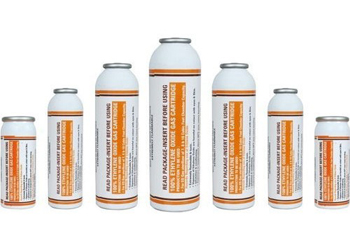
The fully automatic hospital sterilizer range provides an equivalent structured progression for clinical settings: from the SEL 100 (100 litres, 30 x 30 x 122 cm) through the SEL 120, SEL 135, SEL 150, SEL 245 and up to the SEL 450 (450 litres, 61 x 61 x 122 cm). These models use EO gas cartridges ranging from 100 GM to 300 GM per cycle.
ETO Sterilization Machine Features That Affect Capacity Decisions
Beyond chamber volume, the automation and control features of an ETO sterilization machine influence how efficiently it uses its rated capacity. Key features to evaluate during hospital sterilizer sizing include:
- Automatic cycle progression across vacuum, exposure, sterilizing and aeration phases – ensuring consistent results without manual intervention regardless of load size
- Control panel screen indication of specific sterilization phases – providing real-time visibility of the cycle status
- Negative chamber pressure preventing EO gas from migrating into the operating area – a critical safety requirement for hospital environments
- Strict automated control of vacuum, chamber temperature, humidity (RH) and aeration time – parameters that must be validated across the full load volume
- Leak test function confirming chamber integrity before every cycle – mandatory for any facility processing implantable devices or critical surgical instruments
- Steam generator providing proper relative humidity for each model – humidity conditioning is essential for EO gas to penetrate packaged loads effectively
- Single door or double door chamber design based on facility workflow requirements – double door configurations support clean/dirty workflow separation in larger hospitals
- Pen drive data logging of cycle reports and graphs – essential for batch release documentation and regulatory compliance
- PLC-based automation hardware (CE approved, CLASS 1 DIV2 Groups ABCD) – ensures consistent, reproducible sterilization performance
Our Other Product
EO Sterilizer AccessoriesIndustrial EO Sterilizer Selection: Regulatory and Validation Considerations
For industrial users and medical device manufacturers, ETO sterilizer chamber size selection must incorporate ISO 11135 sterilization validation requirements. The chamber chosen must be large enough to accommodate the full validated load configuration – including product positioning, loading pattern and spacing – as qualified during installation qualification (IQ), operational qualification (OQ) and performance qualification (PQ).
Sterility Equipment India Private Limited builds industrial ETO sterilizer chambers in fully stainless steel construction and mild steel to stainless steel construction, supporting the material compatibility requirements for pharmaceutical and medical device validation protocols. The EO control system provides accurate, consistent control of vacuum, relative humidity, exposure time and chamber temperature – all critical parameters that must remain within validated limits across every production batch.
Residue limits also factor into chamber size decisions. Per ISO 11135 standards, EO residue limits per device are set at no more than 4 mg ethylene oxide, 9 mg ethylene glycol and 9 mg ethylene chlorohydrin. Larger chambers with proper aeration systems reduce cycle-to-cycle variability in residue removal – a key consideration when qualifying industrial sterilization machines for medical device manufacturing.
 WhatsApp Us
EO Sterilizers from Sterility Equipment: Product Range and How They Serve Your Facility
Sterility Equipment India Private Limited, founded in 2014 and headquartered in Ahmedabad, Gujarat, is a manufacturer and exporter of ethylene oxide gas sterilizers and industrial ETO sterilizer machines. The company serves hospitals, medical colleges, surgical centres, research institutions, tissue banks, pharmaceutical laboratories and medical device manufacturers across India and internationally.
The product range covers three tiers of ETO sterilizer equipment aligned to different capacity and application needs. The Table Top ETO Sterilizer is designed for compact clinical environments requiring reliable ethylene oxide sterilisation of heat-sensitive instruments without large-scale infrastructure. The Fully Automatic ETO Sterilizer series – available from 100 litres to 450 litres – delivers hospital-grade sterilization with automated cycle management, stainless steel construction, PLC automation and 24-month warranty from installation. The Industrial ETO Sterilizer Machine series – from 45 CFT to 720 CFT and beyond – serves high-throughput manufacturing and processing environments where validated, repeatable sterilization across large batch volumes is required.
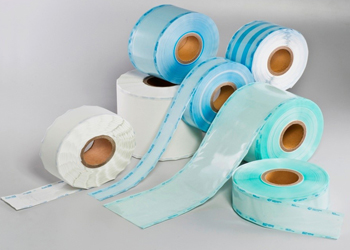
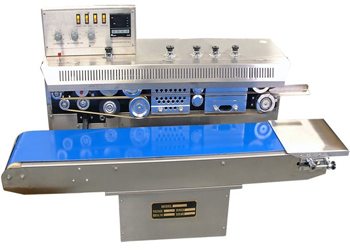
All models are supported by EO gas cartridges, sterilization rolls in multiple widths and continuous band sealer machines – providing a complete sterilization equipment ecosystem through a single supplier.
Sterility Equipment India Private Limited supplies its sterilization equipment and machines to CATH labs, medical institutions, eye specialists orthopaedic centres, general surgery centres, gynaecology care units, cardiothoracic surgeons, interventional cardiologists, ENT surgeons, plastic and cosmetic surgeons, neuro surgeons, gastroenterologists, research centres, specialty laboratories, nursing homes and day care centres – with an established distributor network across New Delhi, Punjab, Tripura andhra Pradesh, Haridwar, Tamil Nadu, Patna, Maharashtra, Karnataka and Kerala.
Conclusion: ETO Sterilizer Capacity Calculation & Checklist before Selecting Your Chamber Size
Before finalising ETO sterilizer chamber size for your facility, ensure you have evaluated the following:
- Total daily load volume (cubic centimetres or litres) including a 30% peak demand buffer
- Number of sterilization cycles feasible per working day based on total cycle duration
- Item types and dimensional constraints that affect usable chamber geometry
- Facility space, infrastructure and workflow layout requirements
- Regulatory and validation requirements applicable to your product category
- EO gas consumption and operating cost comparison across candidate chamber sizes
- Aeration capacity, residue compliance requirements and documentation needs
Matching EO sterilizer capacity to actual throughput requirements – rather than overbuying based on the largest available model or underbuying to minimise capital cost – delivers lower total cost of ownership, faster cycle validation and consistent sterilization outcomes across every batch. Sterility Equipment India Private Limited provides a structured range of ETO sterilizer machines with the technical depth and support infrastructure to help facilities make that selection with confidence.
For assistance in selecting the right ETO sterilizer chamber size for your facility, contact Sterility Equipment India Private Limited at info@sterilityequipments.com or visit www.hospitalsterilizers.com.